As an accountant, bookkeeper or auditor you keep a permanent file for each client: the documents that remain valid across years, next to the annual file for a single tax year. If your client holds crypto, that permanent file needs a crypto section too. This page explains what that section contains, what Cryptotax keeps for it centrally and online, and what Cryptotax is explicitly not for.
First things first: Cryptotax is not a complete permanent file
Looking for software for your entire permanent file in the cloud, with articles of association, engagement letters, client identification under anti-money-laundering rules and your general correspondence? Then Cryptotax is not the right package. You manage those documents in your own file or practice management software.
Cryptotax does one thing: the crypto section of your client's file. That is the part that is hardest to document in classic file software, because it consists of hundreds or thousands of transactions across wallets and exchanges.
What belongs in the crypto section of the permanent file?
A few documents stay relevant across tax years, so they belong in the permanent file rather than in a single annual file:
- The overview of all your client's accounts and wallets: which exchanges, which wallet addresses, since when.
- The original source data: the exchange export files the calculation relies on.
- The opening value on 31 December 2025: under the new capital gains tax, the value at that snapshot date is the starting point for later gains. That document stays relevant for years.
- Source of funds: for when a bank asks where the money from a crypto sale comes from.
- Supporting documents for specific transactions, such as a deed of gift or a confirmation from an exchange.
- The choices and corrections made: how a transaction was classified and why.
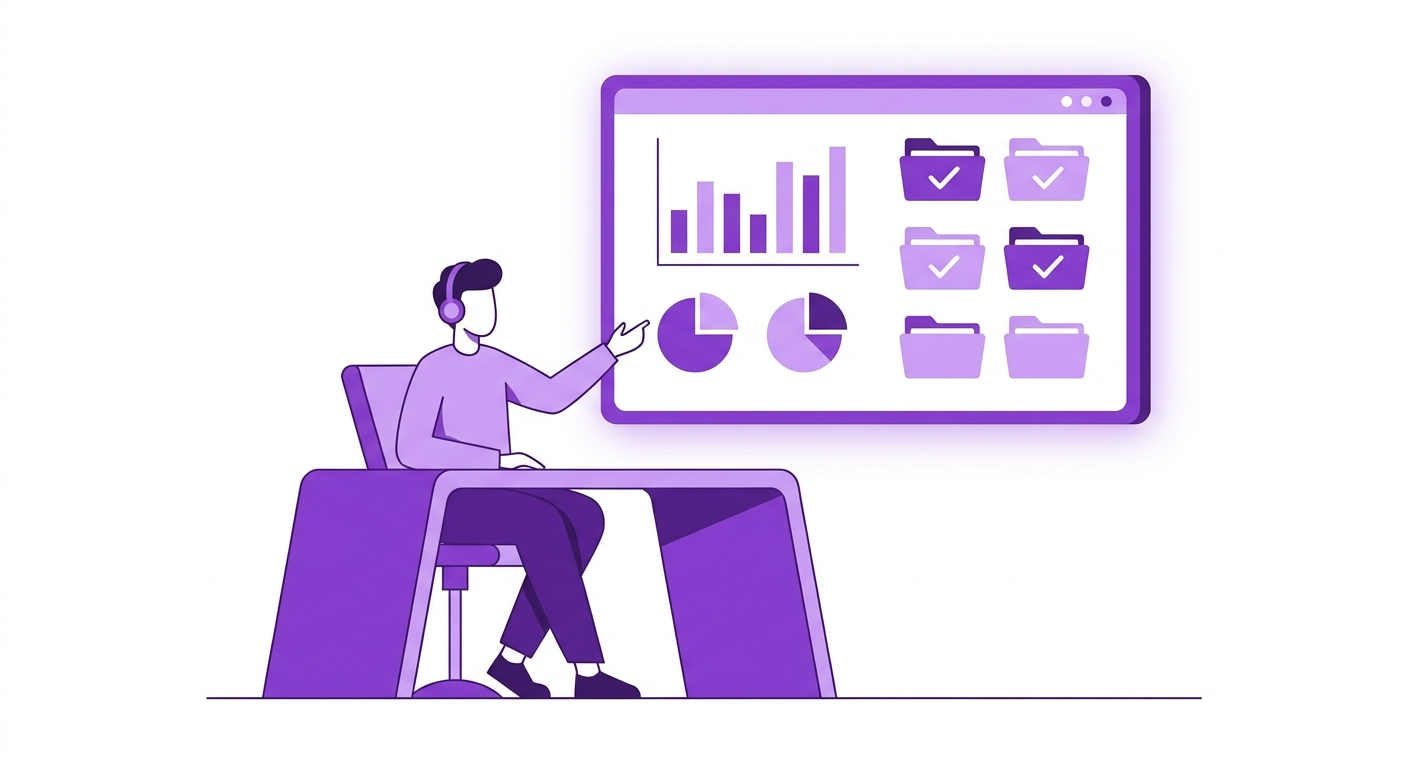
How Cryptotax keeps the crypto section in one place
In Cryptotax every client has one central client file that spans all tax years. In it you find, online and accessible to your whole practice:
- Account overview and manifest: all your client's wallets, exchange connections and CSV files. An export includes that overview as a PDF and as JSON.
- Original source files: the CSVs your client (or you) submitted, included in the file's export.
- Attachments per transaction: your client can link supporting documents to a specific transaction. They are bundled into the export, with an index that maps each file to its transaction.
- Completeness confirmation: your client explicitly confirms that the overview of accounts and wallets is complete. That confirmation is locked in with the report.
- Correction log and edit history: every correction to a transaction can be traced, with a timestamp.
- Snapshot certificate: the value of your client's portfolio on 31 December 2025. Read more about the snapshot certificate.
- Source of funds: a report a bank can use to understand where crypto proceeds come from. Read more about the source of funds report.
As an accountant you download the snapshot certificate and the source of funds report from a paid client file.
Permanent file and annual file: how they fit together
For each tax year you lock the annual file in Cryptotax: the tax report as a PDF, the Tax-on-web codes, the correction log, the source files and a manifest. The documents that apply across years (account overview, opening value on 31 December 2025, source of funds) stay available in the same client file. That gives you one place per client for all crypto documents, instead of loose files spread across inboxes and folders.
How you manage those client files for all your clients is explained on the page about client management for accountants and bookkeepers.
What Cryptotax does not do
- Cryptotax does not store articles of association, engagement letters, identity documents or other general client documents.
- Cryptotax does not perform client identification or anti-money-laundering checks. The source of funds report documents crypto proceeds, but does not replace your own obligations.
- Cryptotax does not file anything electronically with the FPS Finance. You file the return through Tax-on-web or your own software.
- Cryptotax is not an accounting package.
Get started
You start for free with one client. After that you pay 149 euros per client file per year, without bundles or limits. See how it all works on the accountants page or open the demo file.